Understanding Ceramic Window Tint and Its Benefits
What is Ceramic Window Tint?
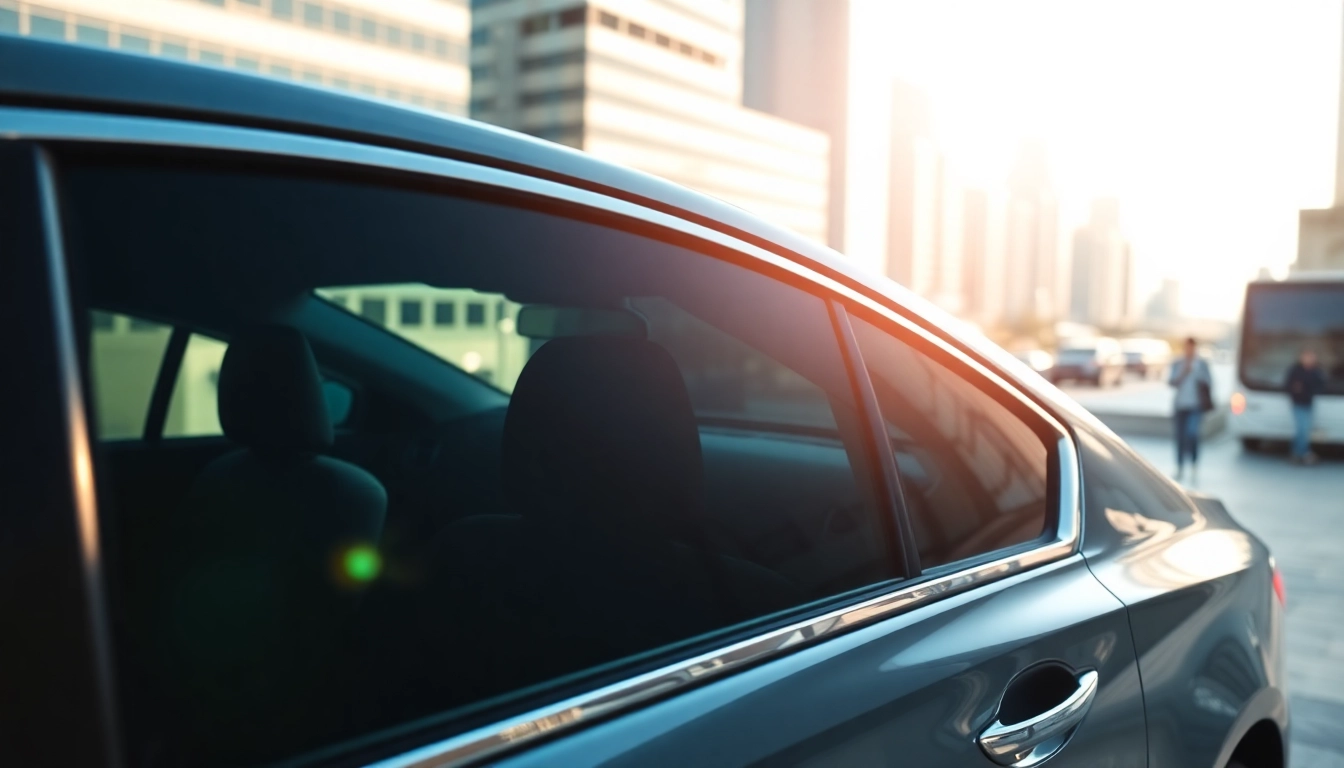
Ceramic window tint is a specialized film made from advanced ceramic particles that are applied to the windows of vehicles, homes, and commercial buildings. Unlike traditional window tints that utilize dyes or metals, ceramic window tint offers unparalleled advantages due to its unique structure and technology. Its primary components consist of nano-ceramic particles that create a barrier against various elements, enhancing both comfort and safety. The application of ceramic window tint provides a sophisticated solution for those seeking improved temperature regulation and UV protection, all while maintaining crystal-clear visibility.
Key Advantages of Ceramic Window Tint
The benefits of ceramic window tint extend far beyond aesthetics. Here are some of the key advantages:
- UV Protection: Ceramic window tint blocks up to 99% of harmful UV rays, thereby preventing skin damage and reducing the fading of interior surfaces.
- Heat Rejection: It effectively rejects a significant amount of solar heat, keeping interiors cooler and reducing reliance on air conditioning.
- Enhances Privacy: The tint provides a level of privacy without obstructing visibility from the inside out, making it ideal for both residential and vehicle use.
- Durability: The nano-ceramic technology offers a high level of resistance to scratches, ensuring long-lasting performance.
- Signal Friendly: Unlike metallic tints, ceramic tints do not interfere with electronic signals, making them suitable for modern vehicles equipped with technology.
Comparison with Other Tint Types
When choosing window tinting solutions, it's crucial to understand how ceramic window tint compares to other commonly used types:
TypeHeat RejectionUV ProtectionDurabilitySignal InterferenceCeramicHigh99%ExcellentNoDyedModerateUp to 99%FairNoMetalizedHigh99%GoodYes
Application Process for Ceramic Window Tint
Preparing Your Vehicle for Tint Installation
Before applying ceramic window tint, proper preparation is essential for achieving optimal results. Here are key steps to follow:
- Clean Windows: Thoroughly clean your windows to remove any dirt, grime, or residue that could interfere with the tint's adhesion.
- Inspect Windows: Check for any chips or cracks in the glass that need to be repaired prior to installation.
- Choose Quality Tint: Select a reputable brand of ceramic tint to ensure the longevity and effectiveness of the application.
Step-by-Step Installation Guide
The installation process requires precision and attention to detail. Here’s a step-by-step guide:
- Measure and Cut: Measure the windows and cut the ceramic film to the correct size.
- Apply Solution: Mist the glass with a soapy water solution to allow for easy adjustment of the film.
- Position Film: Carefully position the film on the window, ensuring it is aligned and free of air bubbles.
- Squeegee Out Air: Use a squeegee to eliminate air bubbles and excess water from beneath the film.
- Trim Edges: Trim any excess film around the edges for a neat finish.
- Drying Time: Allow the tint to cure undisturbed for the recommended time to ensure maximum adhesion.
Common Mistakes to Avoid
Even a small error during installation can lead to issues in performance and appearance. Here are common mistakes to avoid:
- Neglecting to clean the windows thoroughly can result in bubbles and peeling.
- Applying the film in a dusty or windy environment may lead to debris being trapped beneath the film.
- Rushing the curing process can result in improper adhesion.
Maintenance for Long-Lasting Ceramic Window Tint
Cleaning Tips for Tinted Windows
Proper maintenance of ceramic window tint is crucial for longevity. Here are effective cleaning tips:
- Use a soft microfiber cloth or sponge to avoid scratching the film.
- Wipe the windows with a gentle, ammonia-free cleaner to prevent damage to the tint.
- Clean the windows regularly to maintain clarity and appearance.
Protecting Your Tint from Damage
To further enhance the lifetime of your ceramic window tint, consider these protective measures:
- Avoid rolling down windows for at least 72 hours after installation to allow the adhesive to cure.
- Do not use abrasive materials or chemical solvents that could harm the tint.
- Park your vehicle in shaded areas to reduce sun exposure.
When to Consider Replacing Your Tint
Knowing when to replace your ceramic window tint can preserve aesthetics and functionality:
- Visible peeling or bubbling indicates the need for replacement, as this can lead to reduced effectiveness.
- Discoloration or fading signals that the tint may no longer provide adequate UV protection.
- Damaged edges or corners can compromise the entire film’s integrity.
The Cost of Ceramic Window Tint: What to Expect
Factors Influencing the Price of Ceramic Window Tint
The cost of ceramic window tint installation can vary significantly based on multiple factors:
- Type of Vehicle: Luxury or larger vehicles may have a higher installation cost due to complexity.
- Quality of Film: Premium brands will typically be more expensive but offer better performance.
- Professional vs. DIY: Professional installation generally incurs labor costs, while DIY options save money but require time and skill.
Comparing Costs with Other Window Tinting Options
Understanding how ceramic window tint costs stack up against alternatives can help you make informed decisions:
Tint TypeAverage Cost per Square FootExpected LifespanCeramic$8 - $1210+ yearsDyed$4 - $75 - 7 yearsMetalized$6 - $105 - 10 years
Budgeting for Tint Installation
When budgeting for ceramic window tint installation, consider the total cost, which includes materials and labor. It's advisable to compare different providers for quotes and ensure you are aware of the warranties offered. For a complete installation on a standard vehicle, expect to budget anywhere from $400 to $1,200, depending on the factors previously discussed. Investing in quality not only enhances comfort but improves resale value through professional installation and material performance.
Frequently Asked Questions
How long does ceramic window tint last?
Ceramic window tint typically lasts 10 years or more, depending on the quality of the film and the vehicle's exposure to elements.
Is ceramic window tint legal?
Ceramic window tint is legal in many areas, but it's essential to check local tinting laws regarding darkness and reflectivity for compliance.
Can I install ceramic window tint myself?
While DIY installation is possible, hiring a professional ensures proper application and longevity, as mistakes can lead to bubbling or peeling.
Does ceramic window tint block UV rays?
Yes, ceramic window tint blocks up to 99% of harmful UV rays, significantly reducing the risk of skin damage and interior fading.
How does ceramic window tint affect visibility?
Ceramic window tint maintains excellent visibility while providing heat rejection and UV protection, ensuring safety during driving.